GPT-Image-2 vs Nano Banana 2: Which AI Image Model Is Worth Using in 2026?
Compare GPT Image 2 and Nano Banana 2 for marketing images, product photos, multilingual text, and storyboards, with workflow and budget considerations.

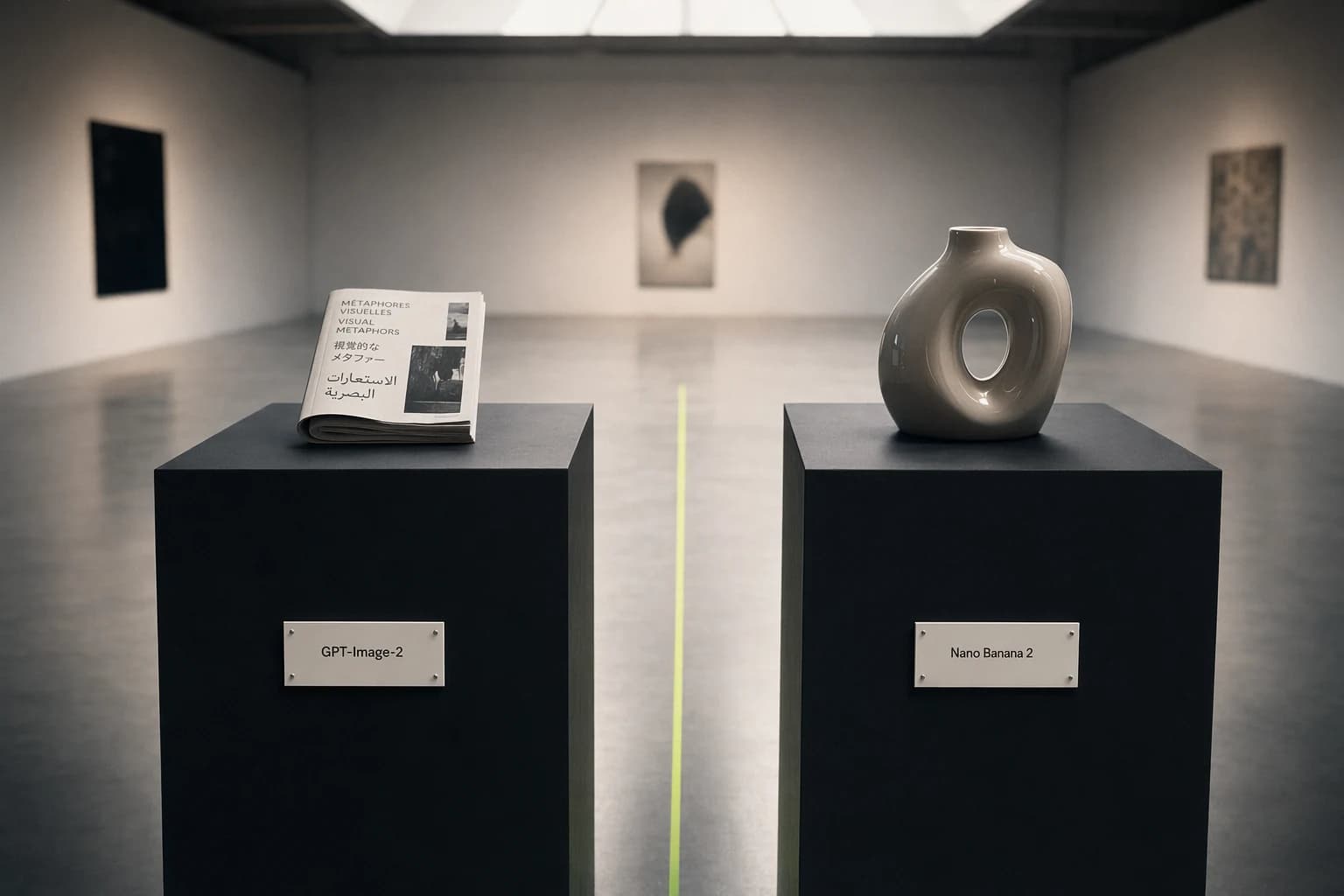
In April 2026, two names dominate the AI image generation conversation: OpenAI's GPT-Image-2 and Google's Nano Banana 2.
One topped the Image Arena leaderboard with a crushing +242 Elo lead and text-rendering accuracy approaching 99%. The other claims "Pro-level quality at Flash speed," with generation latency at one-fifth of its rival and per-image cost at one-third.
Community discussion has never been more divided. Not because one is "better" than the other — but because they crush each other on entirely different axes. This article skips the blanket judgments and uses six concrete scenarios with measured data to help you choose what fits your workflow.
Headline Numbers
| Dimension | GPT-Image-2 | Nano Banana 2 |
|---|---|---|
| Vendor | OpenAI | Google DeepMind |
| Foundation | GPT-4o architecture + O-series reasoning | Gemini 3.1 Flash Image |
| Release date | 2026-04-21 | 2026-02-26 |
| Image Arena Elo | 1,512 | 1,360 |
| Text rendering accuracy | ~98.5% | ~91.2% |
| Average generation latency | ~4,200ms | ~850ms |
| Max resolution | 4K (4096×4096) | 4K |
| Aspect ratios supported | 7 (incl. 16:9, 9:16) | 14 |
| Multi-image generation | up to 8 / call | up to 5 / call |
| Character consistency | up to 8 characters | up to 5 characters |
| Reference images | up to 16 | up to 14 |
| Reasoning capability | Yes (Thinking Mode) | No |
| Web search | Yes (Thinking Mode) | Yes |
| Per-image base cost | ~$0.21 (1K, high) | ~$0.039 (1K) |
| API GA | Early May 2026 | Already live |
One-line summary: GPT-Image-2 wins on precision and reasoning. Nano Banana 2 wins on speed and cost-efficiency.
What Each Model Actually Is
GPT-Image-2: Reason First, Then Draw
GPT-Image-2 is OpenAI's next-generation image model, released April 21, 2026, and the first image model with built-in reasoning. Its core differentiator is Thinking Mode: before generating, the model plans the composition, verifies object counts, checks text constraints, and even searches the web for visual references.
That makes it dramatically better than traditional "generate-immediately" models for complex scenes — especially anything with heavy text, multilingual mixed layouts, or precise spatial relationships. The cost is slower generation (4–5 seconds minimum) and a higher per-image price.
DALL-E 3 retires May 12, 2026, and GPT-Image-2 is its direct successor.
Nano Banana 2: Pro Quality at Flash Speed
Nano Banana 2 is Google DeepMind's image generation model released in February 2026 — technically the image-generation variant of Gemini 3.1 Flash. Its core positioning combines the high-quality output of the previous Nano Banana Pro with the extreme speed of the Flash architecture.
Per Atlas Cloud's benchmarks, Nano Banana 2's average generation latency is roughly 850ms — one-fifth of GPT-Image-2's. On color reproduction, it shows "superior high-dynamic-range (HDR) effects" — punchier colors and stronger visual impact.
It's already fully live across Gemini App, Google Search, and the API — production-readiness ahead of GPT-Image-2.
Six Real-World Scenarios Compared
The data below is aggregated from Atlas Cloud benchmarks, Evolink's head-to-head, and early-user community reports.
Scenario 1: Text-Heavy Marketing Posters
Test: A coffee shop promotional poster with a headline, subheading, three pricing rows, and bilingual (English + Chinese) address.
| Model | Headline spelling | Price formatting | Multilingual | Overall |
|---|---|---|---|---|
| GPT-Image-2 | Perfect | Perfect | Both languages crisp | 9.5/10 |
| Nano Banana 2 | Mostly correct | Occasional formatting issues | English good, Chinese sometimes blurry | 7.5/10 |

Atlas Cloud's report notes that GPT-Image-2 in complex magazine-layout tests "rendered every word with 100% correct spelling and zero character bleeding". Nano Banana 2 lands at ~91.2% text accuracy — fine for short text (headlines, buttons), but spelling and spacing degrade in longer paragraphs.
Winner: GPT-Image-2 — the gap is significant for text-heavy work.
Scenario 2: Commercial Product Photography
Test: A high-end skincare product close-up with material reproduction, highlight control, and commercial-grade composition.
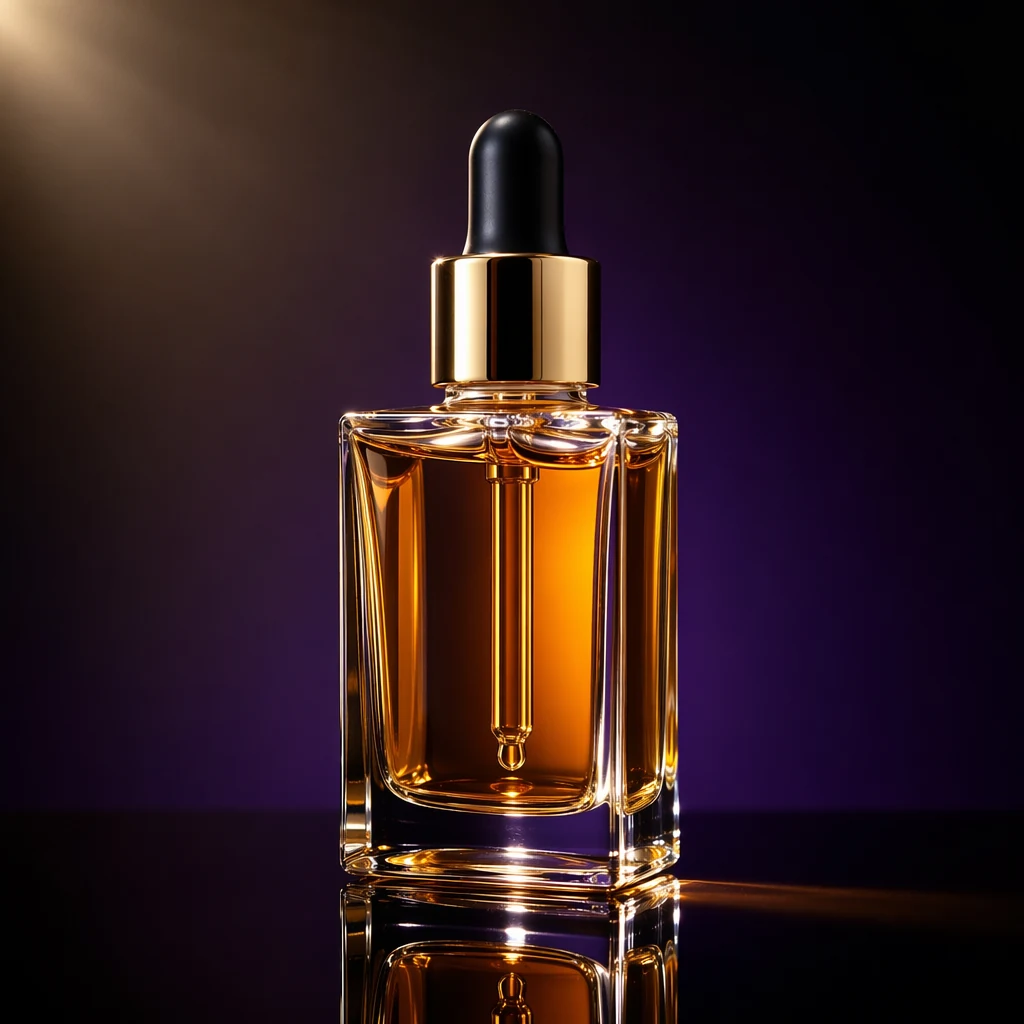
Nano Banana 2 has the clear edge here. Stronger HDR, higher color saturation, and more visual impact than GPT-Image-2. Highlights, reflections, and material textures on the product surface render more naturally.
GPT-Image-2's product shots come out "clean but slightly flat", lacking the commercial-ad-grade visual tension Nano Banana 2 produces. That said, when the packaging carries a lot of text labels, GPT-Image-2's text clarity still wins.
Winner: Nano Banana 2 — pure visual impact and color performance.
Scenario 3: UI/UX Mockups
Test: An iOS dark-mode app interface with a navbar, data cards, tabs, and toggle switches.
GPT-Image-2 wins decisively. Atlas Cloud describes its output as exhibiting "professional padding, consistent design language, and premium font-weight management". Every label is correct, toggle states are visually distinct, and spacing/hierarchy match iOS conventions.
Nano Banana 2 can produce visually nice interfaces, but labels frequently come out blurry or misspelled and button spacing is inconsistent — not suitable for direct design review.
Winner: GPT-Image-2 — UI precision crushes the comparison.
Scenario 4: Social Media Bulk Production
Test: Generate 50 social images in different ratios (Instagram 1:1, Stories 9:16, LinkedIn 16:9) for a product launch.
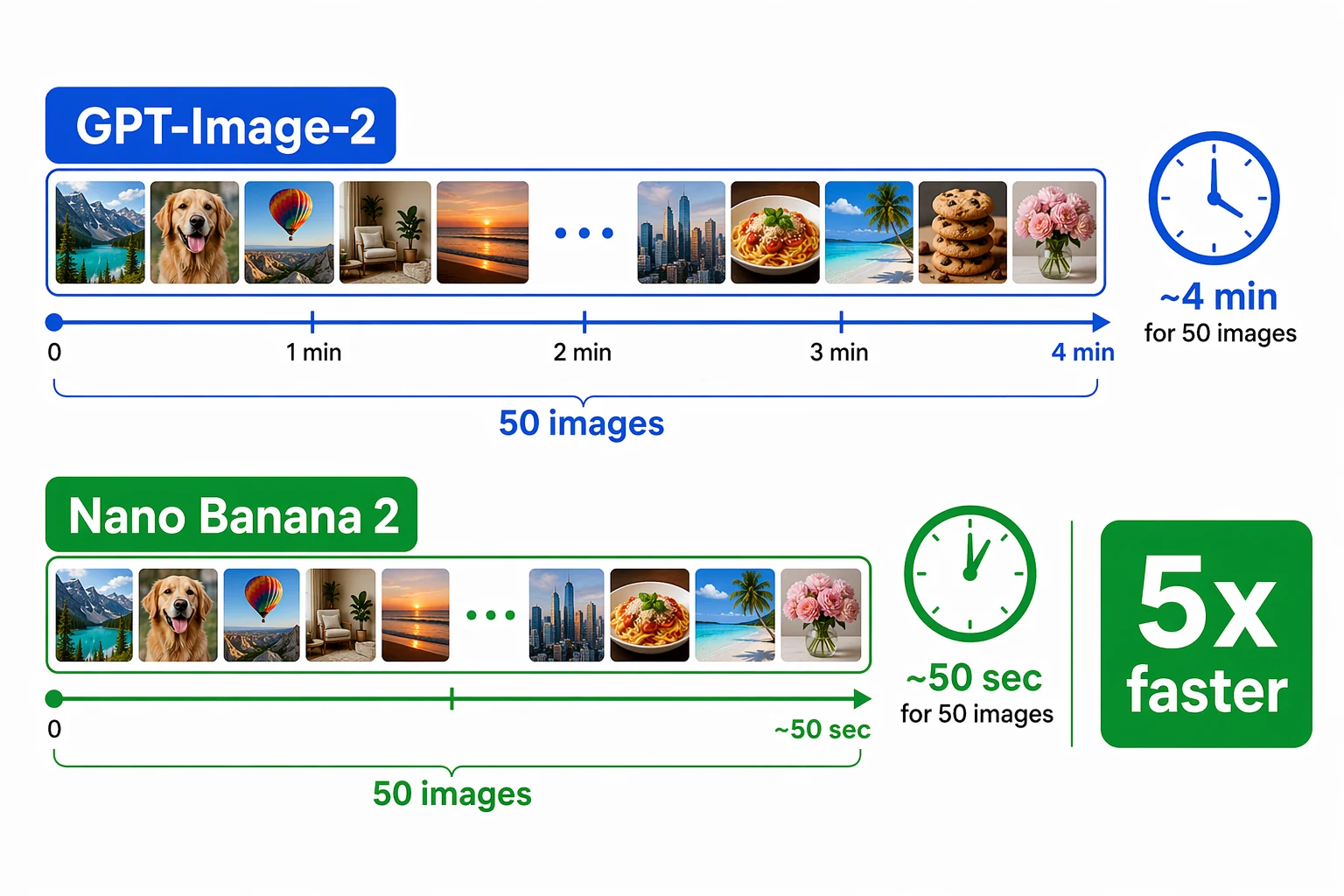
This is Nano Banana 2's home turf. The 850ms average latency means 50 images complete in under a minute. GPT-Image-2 in Thinking Mode takes about 4 minutes for the same batch.
On native aspect ratios, Nano Banana 2 supports 14 vs GPT-Image-2's 7. For multi-platform bulk production, the speed and format flexibility advantage is decisive.
That said, if every image must contain accurate copy (prices, brand taglines), GPT-Image-2's text accuracy advantage saves post-production time. But for purely visual content (product shots, mood images, lifestyle imagery), Nano Banana 2's efficiency is unmatchable.
Winner: Nano Banana 2 — speed and format flexibility crush.
Scenario 5: Multilingual Infographics
Test: A market analysis infographic with a Japanese title, English data labels, and Chinese annotations all on the same canvas.
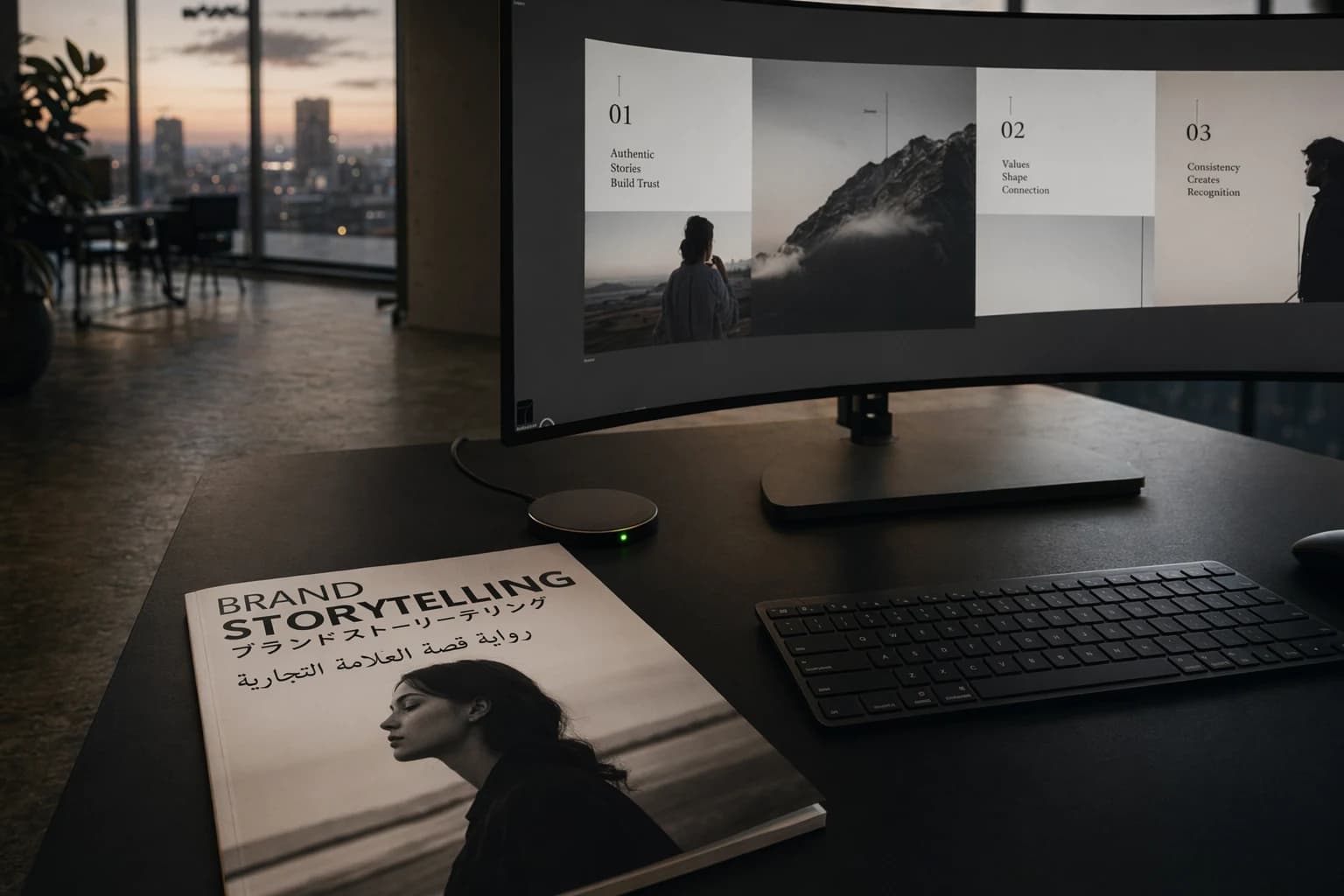
GPT-Image-2's mixed-language layout is its most underrated killer feature. It accurately renders Latin, CJK, Arabic, Devanagari, and Bengali, with each script staying crisp in mixed compositions.
Nano Banana 2 also supports multilingual text generation and translation, but Google's own docs admit the model "may struggle with grammar, spelling, cultural nuances, or idiomatic phrases". In complex mixed-language layouts, Nano Banana 2's non-Latin scripts occasionally come out blurry or with spacing anomalies.
Winner: GPT-Image-2 — multilingual precision gap is significant.
Scenario 6: Sequential Storyboards
Test: An 8-frame product unboxing narrative requiring consistent character appearance.
GPT-Image-2 supports up to 8 character-consistent images per single API call, with up to 8 distinct characters. Nano Banana 2 supports up to 5 face-consistent characters and 14-object fidelity.
On consistency precision, GPT-Image-2's Thinking Mode plans multi-frame narratives more reliably. Nano Banana 2's speed advantage shows here too — under-1-second per frame makes rapid storyboard iteration extremely efficient.
Winner: Tie — GPT-Image-2 wins on consistency, Nano Banana 2 wins on iteration speed.
Create AI videos with Pixo
Turn any idea into a publish-worthy video. One sentence is all it takes.
Pricing Deep-Dive: Hidden Costs and the Real Bill
For budgeting, use our AI image generation pricing comparison, checked September 10, 2026. It separates official API rates from reseller offers and normalizes dimensions, quality, and input charges; the older estimates below use different assumptions.
Base Pricing
| Resolution | GPT-Image-2 | Nano Banana 2 | Ratio |
|---|---|---|---|
| 1K (1024×1024) | $0.211 (high) | $0.039 | 5.4× |
| 1K (low quality) | $0.006 | $0.039 | Nano 6.5× more expensive |
| 2K | ~$0.35 | ~$0.08 | 4.4× |
| 4K | ~$0.50+ | ~$0.15 | 3.3× |
Key finding: GPT-Image-2 has three quality tiers (low/medium/high). The low tier is just $0.006 — cheaper than Nano Banana 2. But low quality blurs text, and most production scenarios need high quality, where the cost runs 5×+ Nano Banana 2.
Nano Banana 2 uses simple per-image flat pricing with no quality tier to fiddle with. For budget planning, this pricing model is more predictable.
Hidden Costs
Per Atlas Cloud's analysis, watch for these hidden costs:
- Resolution surcharge: GPT-Image-2's 4K output adds 25%+ on top; Nano Banana 2's pricing already includes ≤2K in base
- Reasoning surcharge: GPT-Image-2's Thinking Mode roughly doubles token consumption — actual cost is 2–3× Instant Mode
- Volume discounts: Both offer batch discounts, but Nano Banana 2 via third-party proxies (e.g., EvoLink) can land an additional 50%+ off
Monthly Bill Simulation
| Volume | GPT-Image-2 (high) | Nano Banana 2 | Savings |
|---|---|---|---|
| 500/month (1K) | ~$105 | ~$20 | $85 (81%) |
| 2,000/month (1K) | ~$420 | ~$78 | $342 (81%) |
| 500/month (4K) | ~$250 | ~$75 | $175 (70%) |
For high-volume production, Nano Banana 2's cost advantage is overwhelming. But if 70% of your output requires post-fix on text (Nano Banana 2's 91.2% accuracy means roughly 1 in 10 images has a text error), designer time may eat into the savings.
API Integration Comparison
| Dimension | GPT-Image-2 | Nano Banana 2 |
|---|---|---|
| API status | Pre-release (GA early May) | Already GA |
| SDK | OpenAI Python/Node SDK | Google AI SDK / Vertex AI |
| Ecosystem integration | ChatGPT, Codex | Gemini App, Google Search, Android |
| Rate limit (entry) | 5/min | More generous |
| Response format | URL (2-hr expiry) / base64 | URL / base64 |
| Resolution tiers | Fixed size options | 512px / 1K / 2K / 4K |
| Third-party proxies | fal.ai, apiyi.com | EvoLink, CometAPI |
Production readiness: Nano Banana 2 is fully live across the Google ecosystem with clear SLAs. GPT-Image-2's API isn't GA yet, so pre-release reliability fluctuates. For projects with strict launch deadlines, Nano Banana 2 is currently the safer choice.
Decision Framework
Pick GPT-Image-2 When
- Your images contain lots of text that must be correct (menus, posters, UI, infographics)
- You need multilingual mixed layout (CJK + Latin + Arabic)
- You need the model to reason and plan before generating (complex multi-element compositions)
- Your stack is OpenAI-first
- You're willing to pay for precision with higher cost and longer wait
Pick Nano Banana 2 When
- Speed is the top priority (high-volume social, fast prototyping)
- Budget-sensitive (3–5× cheaper at equal quality)
- Images are predominantly visual (product shots, lifestyle, atmospheric)
- You need to ship to production right now (API is already live)
- Your stack is Google/Gemini ecosystem
- You need the strongest color rendering and HDR effects
Best Practice: Combine Them
The most mature workflows in the community don't pick one — they combine both:
- Nano Banana 2 for high-speed output — product shots, mood images, A/B test variants. The 850ms speed makes rapid iteration trivial.
- GPT-Image-2 for precision finishing — final-version posters, infographics, and UI mocks where text must be exact. Thinking Mode locks it in.
- Cost optimization strategy — drafts in Nano Banana 2 ($0.039/image), finals in GPT-Image-2 high ($0.211/image). Total cost is dramatically lower than running everything through GPT-Image-2.
- Compare and combine both models inside one platform — Pixo is an AI Video Agent platform that already wires up GPT-Image-2 and Nano Banana 2 side by side, so you can run the same prompt through both and compare outputs without juggling two API keys, two billing accounts, or two dashboards. Once you've picked the better frame, Pixo hands it to video models like Seedance 2 or Kling to animate, then lets you preview the assembled shots on a timeline. Not sure which image model fits your project? Compare GPT-Image-2 and Nano Banana on the same prompt in Pixo — free credits, no credit card required.
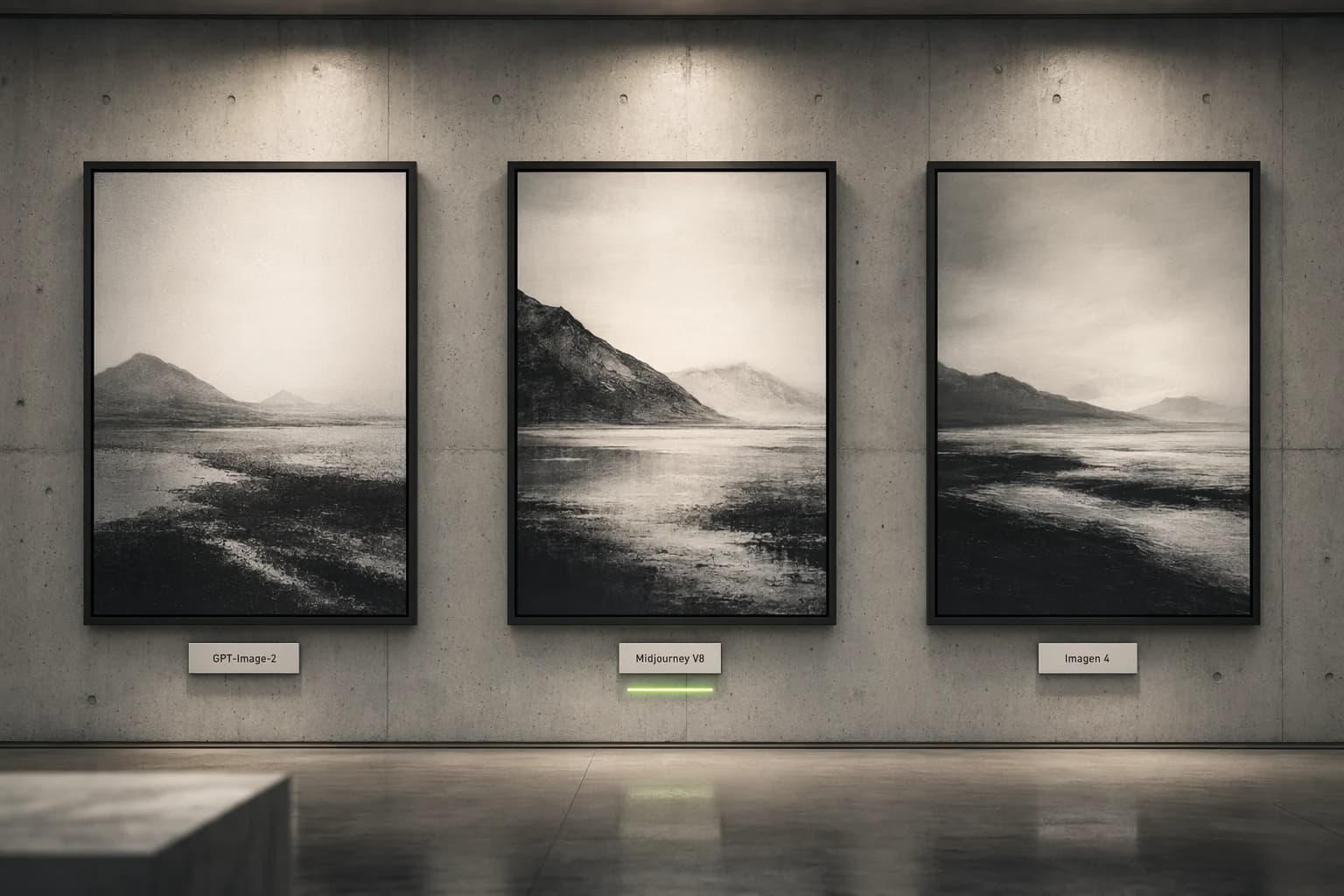
Going broader: If you also want to pull Midjourney V8 and Imagen 4 into the picture beyond Google's stack, see our three-model head-to-head. Combine with the full GPT-Image-2 prompt guide to compress iteration rounds further on text-heavy work.
FAQ
Q: Is GPT-Image-2 just "better" than Nano Banana 2? There's no absolute winner. GPT-Image-2 leads on text accuracy (98.5% vs 91.2%) and reasoning. Nano Banana 2 leads on speed (5× faster), cost (3–5× cheaper), and color performance. The choice depends on your specific scenario.
Q: Is Nano Banana 2's text rendering really that bad? 91.2% accuracy is fine for short text (headlines, buttons, labels). The problems show up in long paragraphs, small font sizes, and multilingual mixed layouts. If your image text stays under 10 words and uses a single language, Nano Banana 2 handles it just fine.
Q: Any quality difference at 4K? Both support native 4K output. Nano Banana 2's 4K generation runs 15–40 seconds, noticeably slower than its sub-second 1K. GPT-Image-2's 4K latency also goes up and adds the 25% surcharge. At 4K, the speed gap narrows but Nano Banana 2 is still cheaper.
Q: Should I wait for GPT-Image-2's API GA before deciding? If your project has a hard launch deadline, don't wait. Nano Banana 2's API is production-ready. If you can wait until early May, GPT-Image-2's official API may bring more stable performance and clear SLAs. The two aren't mutually exclusive — you can launch on Nano Banana 2 today and add GPT-Image-2 per scenario later.
Q: Are there other models worth considering? Nano Banana Pro sits between the two — quality close to GPT-Image-2, speed close to Nano Banana 2, around $0.14/image. Seedream 5.0 has a unique edge on factual accuracy (geographic info, real-time data) at just $0.03/image.
Sources:
- Introducing ChatGPT Images 2.0 — OpenAI Official Blog
- Nano Banana 2: Google's latest AI image generation model — Google Blog
- 2026 AI Image API Benchmark: GPT Image 2 vs Nano Banana 2/Pro vs Seedream 5.0 — Atlas Cloud
- GPT Image 2 vs Nano Banana 2 (2026) — Evolink
- Google launches Nano Banana 2 model — TechCrunch
- Best AI Image Models 2026: 14 Generators Ranked — TeamDay
- GPT Image 2 Model — OpenAI API Documentation
- Nano Banana 2 API Pricing — EvoLink
Generate AI summary
From idea to finished video.
In one conversation.
Start CreatingNo credit card required • Free 200 credits