The AI Video Revolution: How Generative Models Are Transforming Content Creation
Explore how AI video generation is reshaping the creative landscape, from Hollywood studios to independent creators.

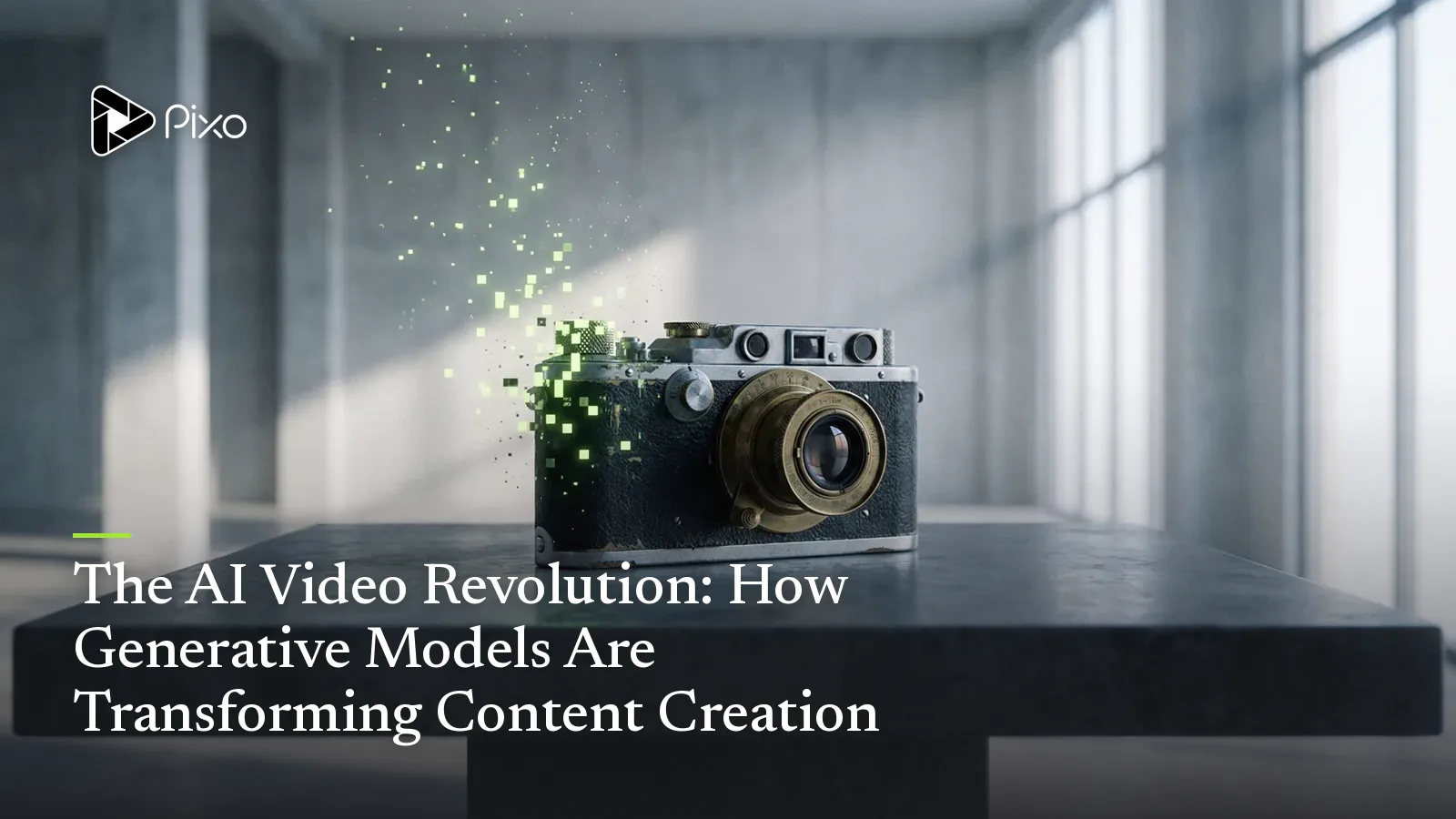
The landscape of video creation is undergoing a seismic shift. What once required expensive equipment, large teams, and months of production can now be accomplished in hours with the help of AI-powered tools. This isn't just an incremental improvement—it's a fundamental transformation of how visual content is conceived, created, and distributed.
The Current State of AI Video
Today's generative AI models can produce remarkably sophisticated video content. From text-to-video generation to image animation, these tools are becoming increasingly capable:
- Text-to-Video: Generate complete scenes from written descriptions
- Image-to-Video: Animate static images with natural motion
- Video-to-Video: Transform existing footage with new styles and effects
- Character Consistency: Maintain visual coherence across frames
The key differentiator in modern AI video tools isn't just generation quality—it's the ability to control and iterate on the output at every stage.
Why Multi-Model Approaches Matter
Different AI models excel at different tasks. Some produce more cinematic motion, others handle character consistency better, and still others excel at specific visual styles. The most powerful workflows combine multiple models:
// Example: Selecting the right model for the task
const modelSelection = {
  cinematicMotion: "runway-gen3",
  characterFocus: "pika-1.5",
  stylizedContent: "kling-1.6",
};
By understanding the strengths of each model, creators can achieve results that no single model could produce alone.

Create AI videos with Pixo
Turn any idea into a publish-worthy video. One sentence is all it takes.
The Democratization of Video Production
Perhaps the most significant impact of AI video is democratization. Consider these statistics:
| Traditional Production | AI-Assisted |
|---|---|
| $10,000+ equipment | Standard computer |
| Team of 5-10 people | Single creator |
| Weeks of post-production | Hours of iteration |
This doesn't mean AI replaces human creativity—it amplifies it. Directors, writers, and visual artists can now focus on the creative vision while AI handles the technical execution.
What's Next
The pace of improvement in AI video generation is accelerating. We're seeing:
- Higher resolution outputs - Moving from 720p to 4K and beyond
- Longer generation times - From 4-second clips to multi-minute sequences
- Better physics understanding - More realistic object interactions
- Improved audio integration - Synchronized sound effects and dialogue
At Pixo, we're building the tools to help creators harness these advances. Our multi-stage pipeline lets you maintain creative control while leveraging the best AI models available.
Conclusion
The AI video revolution isn't coming—it's here. The question isn't whether to adopt these tools, but how to use them effectively. The creators who thrive will be those who understand both the capabilities and limitations of AI, using it as a powerful collaborator rather than a replacement for human vision.
The future of video is being written right now, and anyone with a story to tell can be part of it.
Generate AI summary
From idea to finished video.
In one conversation.
Start CreatingNo credit card required • Free 200 credits