Start With the Portrait and Dialogue
Add a permitted portrait, the intended dialogue, and any authorized voice reference. Set the framing and visual direction in Pixo’s Playground.
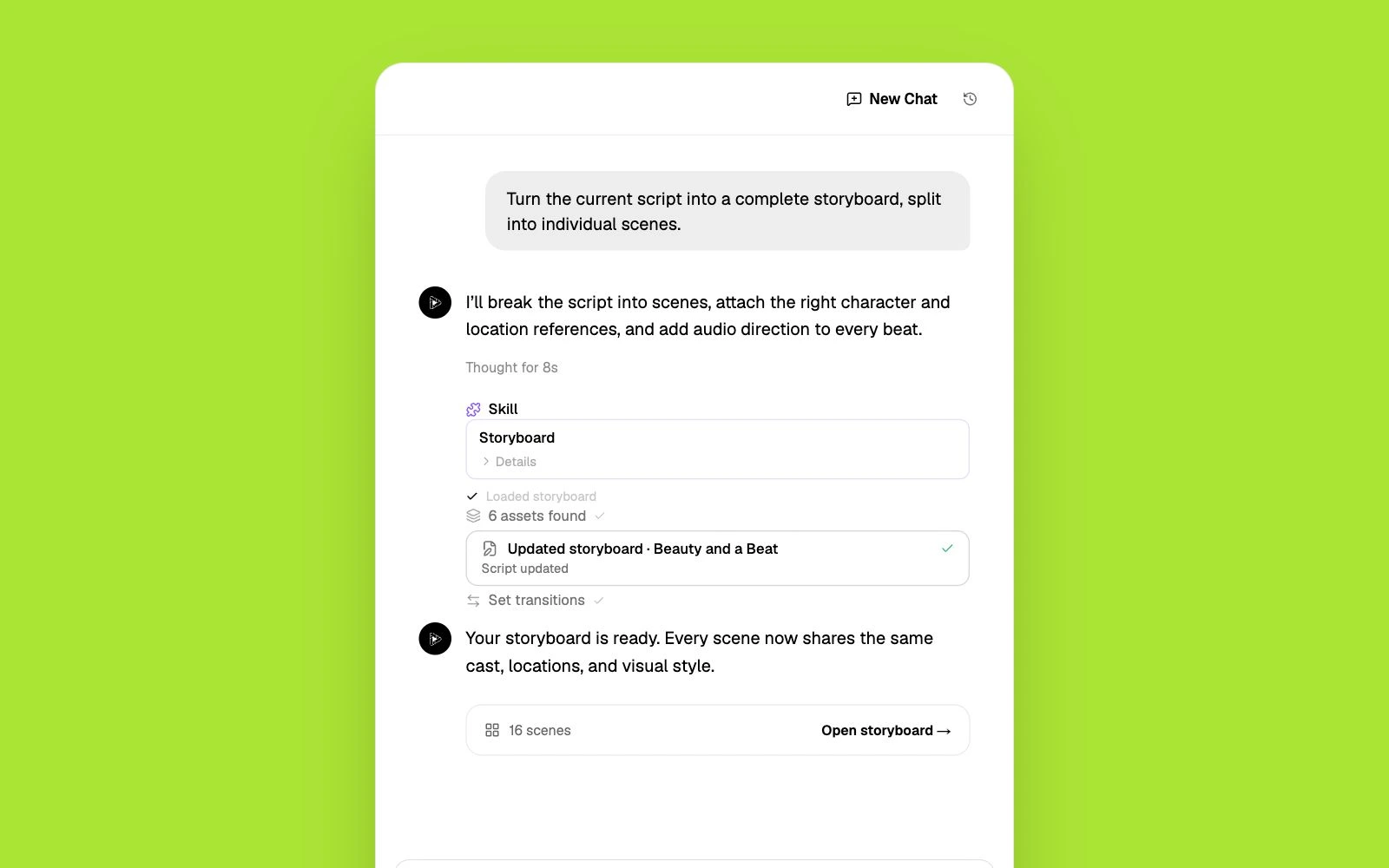
Turn a permitted portrait plus dialogue or an audio reference into a talking-photo video with facial motion, lip sync, framing, and native audio. Generate the shot with MiniMax H3 in Pixo’s Playground, review the result, and use the approved clip in a complete video project.
New users receive 200 credits on sign-up. Video generation requires a paid plan and sufficient credits.
A speaking portrait needs both facial motion and audible speech. Plan the dialogue and references together, then check the generated shot's sound and synchronization. If you already have approved artwork or a product photo, animate an image from that reference.
An unsuitable voice can disconnect the portrait from the message. Use a permitted audio reference or clear dialogue direction and review the generated delivery. For a presenter-led message with supporting scenes, create an AI spokesperson video using a fictional or authorized identity.
A portrait's original crop may not suit the intended video. Plan framing and facial movement before generation and review the shot in its final sequence. If the scene needs a different permitted character identity, make a face swap video from the source footage.
Add a permitted portrait, the intended dialogue, and any authorized voice reference. Set the framing and visual direction in Pixo’s Playground.
Check the reference roles, written dialogue, expression, and camera direction before generating the shot with MiniMax H3.
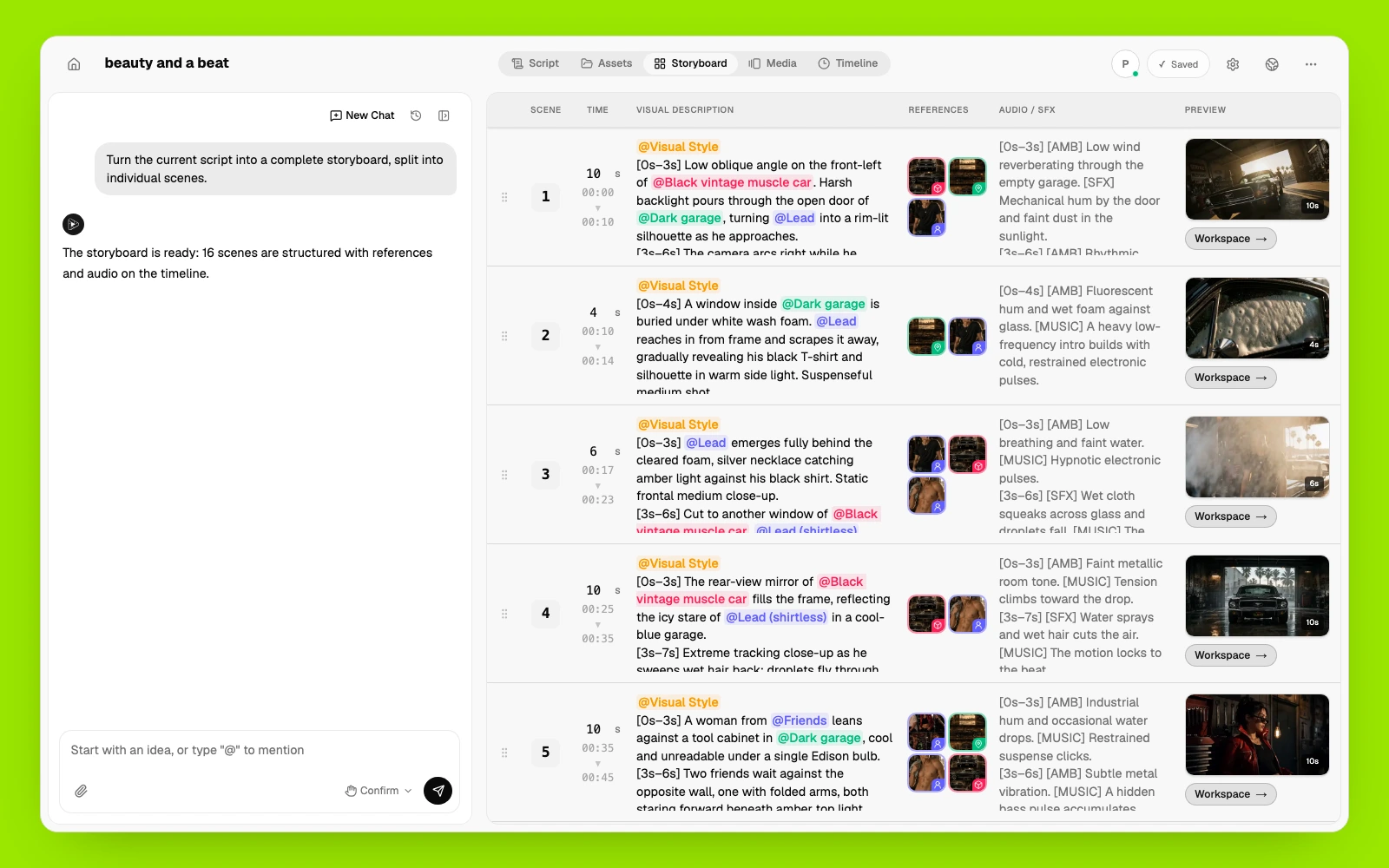
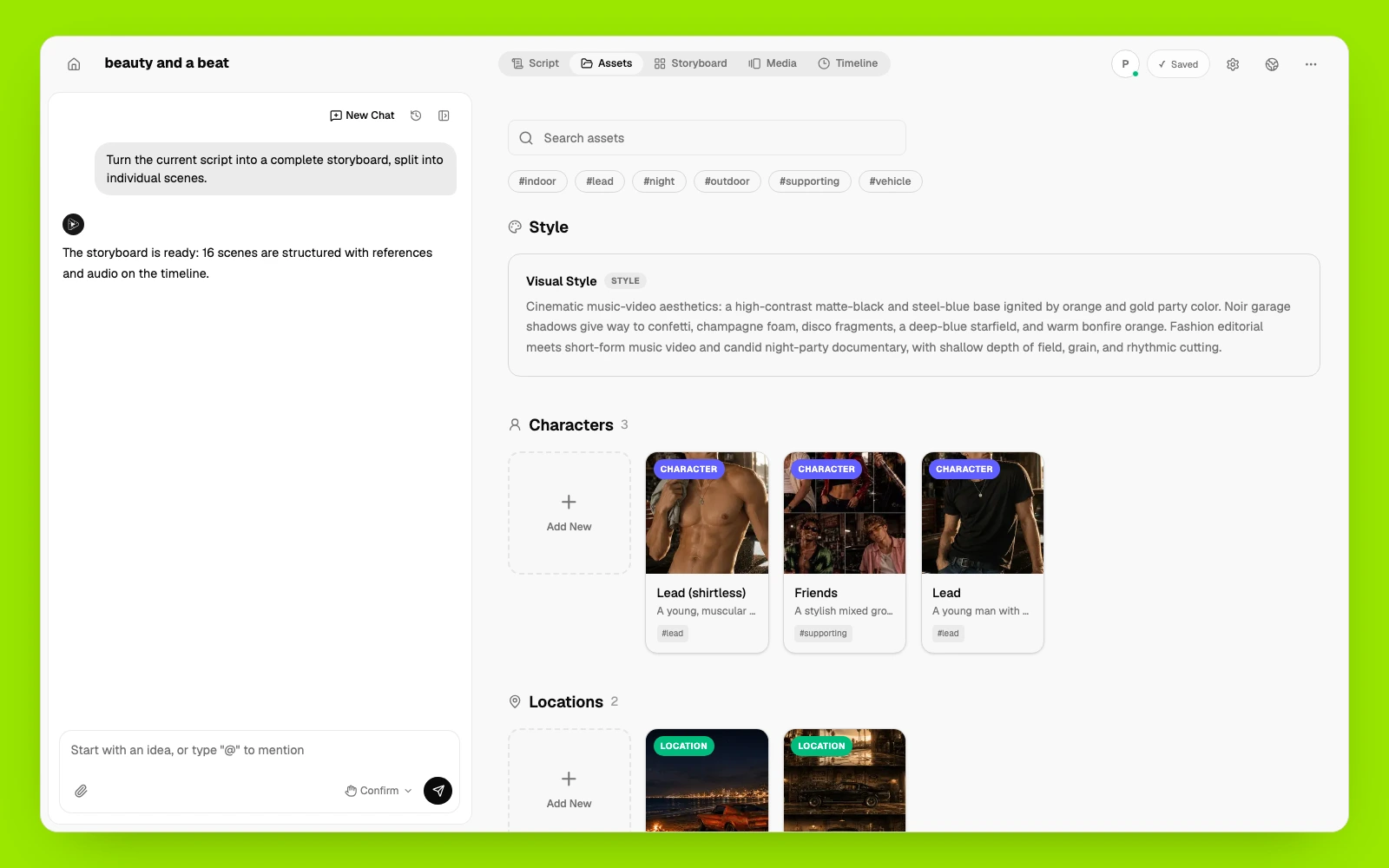
Reuse approved characters, products, locations, voices, and visual references so separate generated scenes belong in the same video.
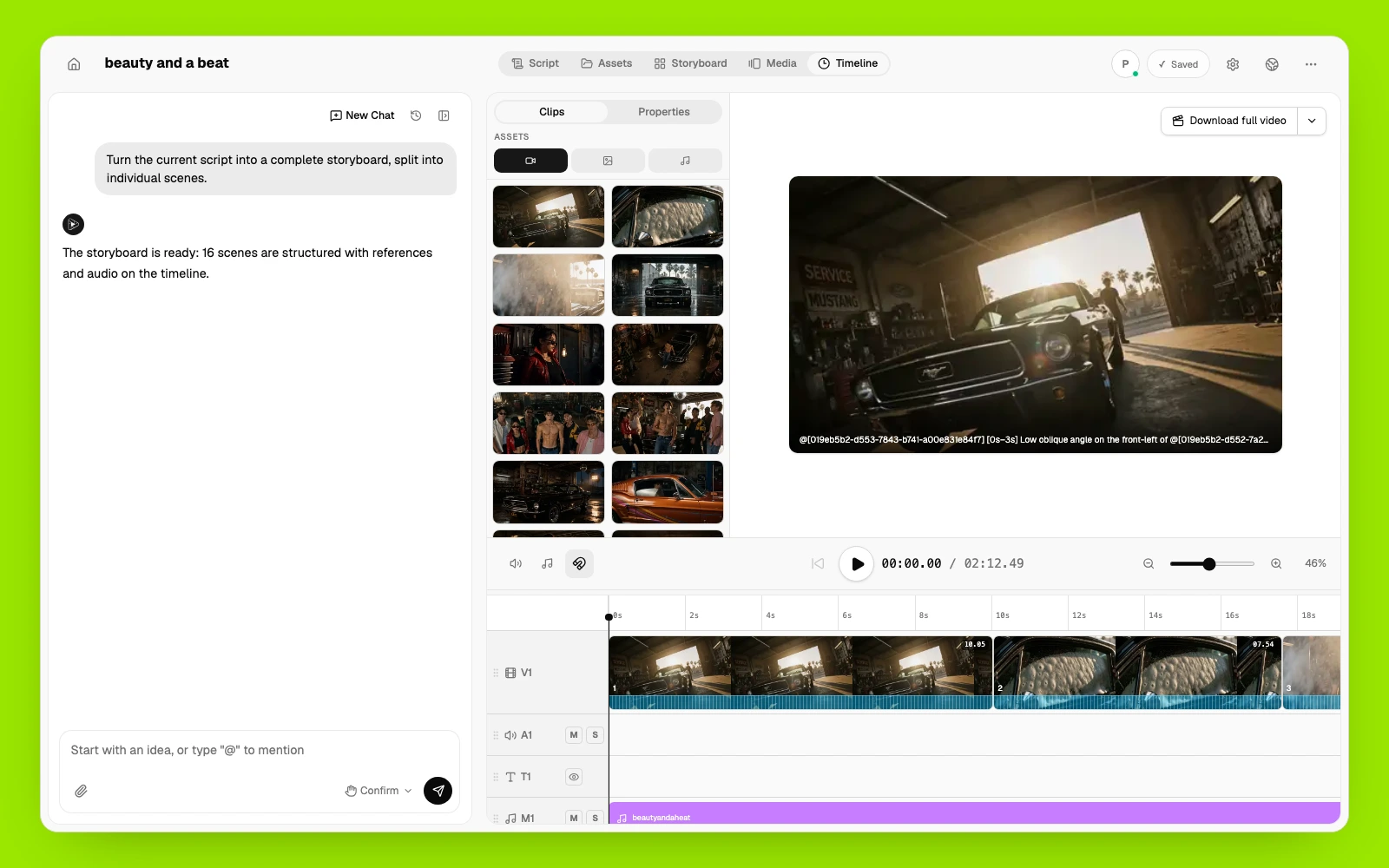
Review the generated scenes after generation. Regenerate only the shots that need changes, then arrange the approved video, voice, music, and sound in the final timeline.
Add a portrait you own or have permission to animate in Pixo’s Playground. Use a clear image and define the intended framing.
Assign a role to the portrait and any permitted audio reference so MiniMax H3 knows which face and voice direction to use.
Write the dialogue and describe expression, motion, and sound. Select MiniMax H3 and review the inputs before generation.
Generate the talking shot, then check the likeness, words, lip sync, and native audio. Revise and regenerate when needed, and use the approved clip in your final video sequence.
Use a permitted portrait and dialogue to generate a talking shot with native audio in MiniMax H3, then review motion and speech.
Add an audio reference you have permission to use and specify its role, checking the generated voice against the intended delivery.
Write the intended dialogue clearly and review names, numbers, and phrasing in the generated result; revise and regenerate when needed.
Choose the intended aspect ratio and framing, then place the approved talking shot alongside other scenes, music, and sound when building a longer video.
Use only authorized portraits and voices, keep their references consistent, and review every generated shot before publication.
Explore related Pixo workflows and AI video models that can help you plan, generate, and refine a talking-photo video with facial motion, lip sync, framing, and native audio.
A2E puts an AI presenter on screen and meters it by the second. Pixo's AI agent scripts, storyboards, generates and edits original scenes into a finished 1080p video with native audio.
Reface swaps your face into short trending clips on your phone. Pixo's AI agent scripts, storyboards, generates and edits an original 1080p video with consistent characters.
From bedroom studios to agency pipelines — hear it from the people making videos every day.
1,000,000+
videos generated
100,000+
creators worldwide
190+
countries
Hago videos para clientes de tres países y Pixo me resuelve la producción completa. Storyboard en la mañana, revisiones en la tarde, entrega el mismo día.
I run two faceless channels and this is the whole production stack. Script goes in, storyboard comes out, I tweak three panels and hit generate.
歌ってみた動画のMVを自分で作れるようになりました。絵コンテを直すだけで世界観が変わるのが楽しいです。
Clients ask for changes on Friday afternoon. I regenerate one scene instead of rebooking a crew — that alone pays for the subscription.
Every single I released this year has a video now. I storyboard the whole thing in an afternoon, regenerate the scenes that feel off, and export for YouTube and Reels in one go.
我做短剧账号,以前一集要剪两天。现在分镜自动生成,我只改镜头描述,当天就能更新。
Product demos used to take two weeks with a freelancer. Now I draft a script in the morning and the team reviews a finished cut after lunch. The scene-by-scene control is what sold me.
Je réalise des clips pour des artistes indépendants. Pixo me permet de tester trois directions artistiques dans la même journée — impensable avant.
브랜드 협찬 영상을 매주 두 편씩 만드는데, 장면별로 다시 생성할 수 있어서 수정 요청이 와도 무섭지 않아요.
Pixo thinks in shots, not clips. I can hold a location and a character across an entire sequence — that's the part every other AI tool gets wrong.
Common questions about creating a talking-photo video with facial motion, lip sync, framing, and native audio with AI.
Create a complete AI video from a prompt, script, or image—not just a single clip. Pixo brings an AI agent, storyboard tools, voice and sound, and leading video models including Veo, Kling, Hailuo, and Seedance into one workspace, from first idea to final cut.
Describe the video you want in everyday language. Pixo turns your text into a scene-by-scene storyboard, generates each shot with leading AI video models, and helps assemble a complete video you can refine before export.
New users receive 200 credits on sign-up. Video generation requires a paid plan and sufficient credits.